 By Owen Palmer
Updated November 2026
Knowing the best time of year to buy car tires can save you a trip to the shop on the wrong week, but the timing is only half the decision. You also need a tire that matches your vehicle, your driving climate and your tread-life expectations. This guide covers when tire sales and inventory tend to be strongest, then compares five tires and one inflator across the criteria that matter most: fit and load rating, all-season traction, ride character, intended vehicle type and owner feedback patterns. Our selection is based on published specifications, brand reputation and recurring themes in owner reviews. We did not physically test these products.
Our top picks at a glance
- 1
 TOP CHOICEBest overallMichelin Cross Climate 2 A/W 235/65R18 106V Passenger SUV TireView on Amazon
- 2
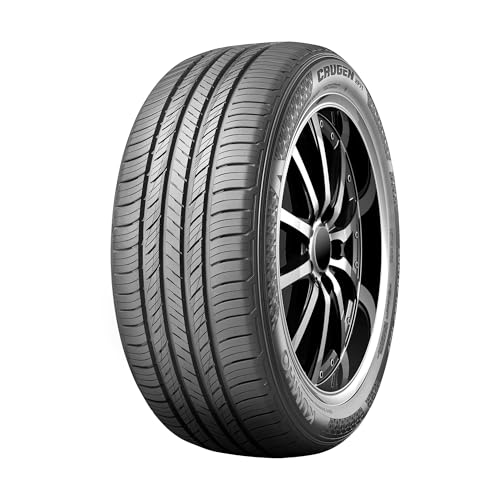 TOP CHOICEBest for SUVs and crossoversKumho Crugen HP71 All Season 265/50R19 110V XLView on Amazon
- 3
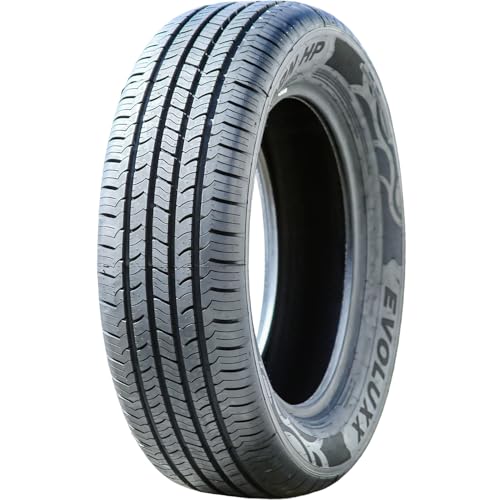 TOP CHOICEBest for light trucksEvoluxx Capricorn HP 235/65R18 106H All Season SLView on Amazon
- 4
 Best for performance carsVercelli II All Season 265/30R19 93W XLView on Amazon
- 5
 Best budget pick (tools)Fanttik X8 APEX Tire Inflator Portable Air CompressorView on Amazon
Our Top Picks
Quick Comparison
| Product | Best for | Key feature |
|---|---|---|
| Michelin Cross Climate 2 A/W 235/65R18 106V | Overall all-season use on passenger SUVs | All-weather rating with a long-life tread design |
| Kumho Crugen HP71 All Season 265/50R19 110V XL | SUVs and crossovers needing extra load capacity | XL construction with a touring tread pattern |
| Evoluxx Capricorn HP 235/65R18 106H All Season SL | Light trucks and SUVs on mixed roads | Standard-load radial with all-season traction |
| Vercelli II All Season 265/30R19 93W XL | Sport sedans and coupes with low-profile wheels | Low-profile high-performance all-season design |
| Fanttik X8 APEX Tire Inflator | Keeping existing tires at correct pressure | Cordless 150 PSI inflator with digital display |
Michelin Cross Climate 2 A/W 235/65R18 106V Passenger SUV Tire
Michelin Cross Climate 2 A/W 235/65R18 106V Passenger SUV Tire | All-Season
Best for: Overall all-season use on passenger SUVs
This is a sensible default for drivers of midsize SUVs who want one set of tires for dry roads, wet pavement and light snow, without swapping to winter tires each season.
Key specs
- Size: 235/65R18, 106V load and speed rating
- Category: passenger SUV, all-season
- Designed for year-round use in mild to moderately cold climates
Pros
- Balanced ride for everyday commuting
- Consistent wet-road grip across the tread life
- Recognized brand with broad fitment coverage
Cons
- Not a substitute for dedicated winter tires in deep snow
- Premium-tier pricing compared with budget all-season options
Bottom line: A strong first choice for owners of 18-inch passenger SUVs who want one set of tires year-round. You may also like 5 Best Time to Buy Winter Tires: Best Picks Compared (2026).
View on AmazonKumho Crugen HP71 All Season 265/50R19 110V XL
Kumho Crugen HP71 All Season 265/50R19 110V XL SUV/Crossover Tire | Truck/SUV Touring All Season Traction 110V Rated Standard Load Radial Construction Black Sidewall Tire
Best for: SUVs and crossovers needing extra load capacity
Drivers of larger crossovers and SUVs on 19-inch wheels, especially those who regularly carry passengers or cargo, are the intended audience.
Key specs
- Size: 265/50R19, 110V with XL (extra load) rating
- Category: truck/SUV touring, all-season
- Standard-load radial construction with black sidewall
Pros
- Extra load rating suits heavier vehicles
- Touring-oriented tread tends to favor quiet highway running
- Wide size availability for 19-inch fitments
Cons
- Wider, low-profile sizes can reduce ride comfort on rough roads
- Less suited to heavy snow than dedicated winter tires
Bottom line: Best for owners of larger SUVs and crossovers who need XL load capacity and highway-focused comfort.
View on AmazonEvoluxx Capricorn HP 235/65R18 106H All Season SL
Evoluxx Capricorn HP 235/65R18 106H All Season SL Radial 18 inch Tire | Truck/SUV Performance All Season Traction 106H Rated Standard Load Radial Construction Black Sidewall Tire
Best for: Light trucks and SUVs on mixed roads
Owners of pickups and SUVs who do a mix of city driving, gravel and occasional rough pavement will find the all-season tread a practical match.
Key specs
- Size: 235/65R18, 106H speed rating
- Category: truck/SUV performance all-season
- Standard-load radial construction
Pros
- Suited to light-duty truck and SUV use
- All-season traction across varied surfaces
- Budget-friendly tier among 18-inch all-season options
Cons
- Standard-load rating may not suit heavy towing
- Owner feedback on long-term tread life varies, so monitor wear
Bottom line: A practical pick for light trucks and SUVs on a moderate budget, provided your load needs are standard.
View on AmazonVercelli II All Season 265/30R19 93W XL
Vercelli II All Season 265/30R19 93W XL Passenger Tire | Passenger High Performance All Season Traction 93W Rated Extra Load Radial Construction Black Sidewall Tire
Best for: Sport sedans and coupes with low-profile wheels
Drivers of performance cars with 19-inch low-profile wheels who want year-round grip without changing tires seasonally.
Key specs
- Size: 265/30R19, 93W speed rating with XL load
- Category: passenger high performance, all-season
- Extra load radial construction
Pros
- Designed for responsive handling on performance fitments
- Year-round grip for dry and wet conditions
- Extra load rating adds margin on heavier sedans
Cons
- Very low profile reduces sidewall cushioning on potholes
- Not appropriate for deep snow or ice
Bottom line: Suited to performance-oriented owners on 19-inch wheels who accept a firmer ride in exchange for sharper response. If you want more background, see When Is the Best Time to Buy Car Seats? 5 Best Picks Compared (2026).
View on AmazonFanttik X8 APEX Tire Inflator Portable Air Compressor
Fanttik X8 APEX Tire Inflator Portable Air Compressor, 1 Min Fast Inflation | 150PSI Cordless Tire Inflator with LED Dual Screen, Suitable for MPV, Car, Motorcycle, Up to 26.3″ Tires, Deluxe Package
Best for: Keeping existing tires at correct pressure
Anyone who wants to check and adjust tire pressure at home between tire purchases, which helps tires last longer regardless of when you buy.
Key specs
- Maximum pressure: 150 PSI
- Cordless, portable design with LED display
- Suitable for cars, motorcycles and MPVs up to 26.3-inch tires
Pros
- Cordless operation for use anywhere
- Digital display makes target pressure easy to set
- Handy for seasonal pressure changes
Cons
- Inflation speed on large tires depends on battery charge
- Not a replacement for a professional tire service
Bottom line: A useful accessory for owners who want to maintain tire pressure between buying cycles.
View on AmazonBuying Guide
Timing: When tire inventory and promotions are strongest
Tire retailers and manufacturers often run seasonal promotions. Many shoppers find the best time of year to buy tires for car use is the period just before peak weather changes, when all-season and winter sets are restocked. Late autumn and early spring are common windows for winter and all-season sales, while late spring can bring summer and all-season clearance. Check manufacturer and retailer event calendars rather than relying on any single date.
Good picks for this: Michelin Cross Climate 2 A/W and Kumho Crugen HP71
Size and fit
Your vehicle’s door-jamb sticker or owner’s manual lists the original tire size, such as 235/65R18. Match the width, aspect ratio, rim diameter and load index. Do not reduce the load rating without confirming it is safe for your vehicle.
Good picks for this: Evoluxx Capricorn HP and Vercelli II All Season
Load and speed ratings
The load index (for example, 106 or 110) and speed symbol (such as V or W) must meet or exceed the original equipment specification. XL or extra load versions add capacity but can change ride feel.
Good picks for this: Kumho Crugen HP71 and Michelin Cross Climate 2 A/W For a deeper look, 5 Best Time to Buy Snow Tires: Best Picks Compared (2026) covers this in detail.
All-season versus winter performance
All-season tires handle moderate snow and rain. In regions with sustained freezing temperatures or deep snow, dedicated winter tires are generally recommended. Consult your local road authority or a qualified tire professional for guidance on your climate.
Good picks for this: Michelin Cross Climate 2 A/W and Evoluxx Capricorn HP
Use case and driving style
Highway commuters, heavy haulers and performance drivers have different priorities. Touring tires favor quiet, long-wearing rides, while high-performance designs favor steering response.
Good picks for this: Kumho Crugen HP71 and Vercelli II All Season
Durability and tread life
Treadwear ratings and manufacturer warranties give a sense of expected longevity. Rotate tires at the interval in your owner’s manual, commonly every 5,000 to 7,500 miles, to promote even wear.
Good picks for this: Michelin Cross Climate 2 A/W and Kumho Crugen HP71
Maintenance and tire pressure
Check pressure monthly and before long trips using the placard inside the driver’s door. Underinflation increases wear and fuel use. A portable inflator helps you keep pressure accurate between service visits.
Good picks for this: Fanttik X8 APEX Tire Inflator Portable Air Compressor
FAQ
What is the best time of year to buy car tires?
Many shoppers find late autumn, when winter and all-season tires are in demand, and late spring, when summer and all-season clearance is common, to be good windows. Compare retailer calendars and check tire stock before you need the set.
Is it better to buy tires before winter?
If you live where snow and ice are common, buying and fitting tires before the first cold snap avoids long shop waits. Consult a qualified tire technician about whether your climate calls for winter tires.
Do I need to replace all four tires at once?
Many manufacturers recommend replacing all four tires, or at least keeping the same tread depth on each axle, to maintain handling and stability. Check your owner’s manual for guidance.
How do I find the correct tire size?
Look at the sidewall of your current tire or the placard on the driver’s door jamb. The size appears as a sequence such as P235/65R18.
How often should I rotate my tires?
Many owners rotate every 5,000 to 7,500 miles, but you should follow the interval in your owner’s manual.
Is an XL tire better than a standard tire?
An XL (extra load) tire can carry more weight at a given pressure, which can suit heavier vehicles. It may also change ride comfort, so match the rating to your vehicle’s specification rather than choosing it by default.
Conclusion
The best time of year to buy car tires is usually when retailers are restocking seasonal lines, typically late autumn and early spring for all-season and winter sets. For most passenger SUV owners, the Michelin Cross Climate 2 A/W is a dependable starting point. Owners of larger SUVs needing extra load capacity should look at the Kumho Crugen HP71, while light-truck drivers may prefer the Evoluxx Capricorn HP. Performance sedan owners on 19-inch wheels will find the Vercelli II All Season suited to their needs, and the Fanttik X8 APEX inflator helps any owner maintain correct pressure. Always confirm size and load ratings against your vehicle’s specifications before buying.
Sources
- Tire safety, inflation and maintenance guidance for vehicle owners (nhtsa.gov)
- Tire pressure and fuel efficiency information (energy.gov)
- Background on tire buying considerations and tire categories (consumerreports.org)
Related reading
- Best Time of Year to Buy Second Hand Car: A Month-by-Month Guide for 2026
- 7 Best Times to Buy Tires for Car (2026): Our Picks
- 7 Best Time of the Year to Buy Used Cars: Best Picks for Every Need (2026)
- 4 Best Time of Year to Buy a New Cars: Top Picks Compared for 2026
- 3 Best Time of the Year to Buy Tires: Best Picks Compared for 2026
- When's Best Time to Buy a Car: 5 Best Picks and Buyer's Guide for 2026
- When Is the Best Time to Buy a New Car? 3 Best Picks Compared (2026)
About Owen Palmer
Owen Palmer is part of our editorial team and reviews and edits our holiday shopping calendar guides, checking product details against manufacturer specifications and owner feedback.