 By Owen Palmer
Updated November 2026
Choosing the best RV to buy for full-time living is a different decision from buying a weekend camper. You will sleep, cook, work, store clothes and tools, and manage waste and power in the same small footprint every day, often for years. This guide focuses on what matters for that kind of life: floor plan livability, holding tank capacity, electrical and water systems, storage, weight and towing, and how easy the rig is to maintain far from a service center. Each pick below is a product type or planning resource that helps you prepare, research and equip yourself for full-time RV life, so you can compare options on evidence rather than guesswork.
Our top picks at a glance
- 1
 TOP CHOICEBest overallA Beginner's Guide to Living in an RV: Everything I Wish I Knew BeforeView on Amazon
- 2
 TOP CHOICEBest for systems and budgetingFull-Time RV Living: The Practical Guide to Sustainable, Year-Round Life on the RoadView on Amazon
- 3
 TOP CHOICEBest for everyday shortcutsRV Hacks: 400+ Ways to Make Life on the Road Easier, Safer, and More Fun!View on Amazon
- 4
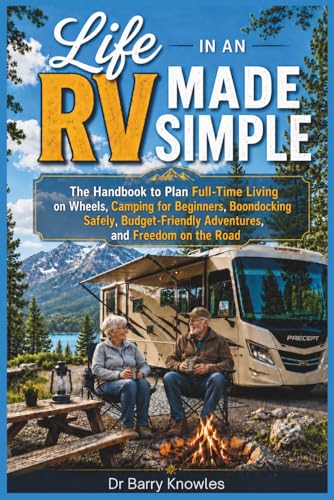 Best for boondockingLife in an RV Made Simple: The Handbook to Plan Full-Time Living on WheelsView on Amazon
- 5
 Best for retireesA Practical Guide to Full-Time RV Living: Motorhome & RV Retirement StartupView on Amazon
- 6
 Best for earning on the roadRV LIVING: The Complete Guide on How to Prepare for Full-Time RV LivinView on Amazon
- 7
 Best budget pickAcostop RV Magnetic Door Catch with Adhesives Screws, 1 PackView on Amazon
Our Top Picks
Quick Comparison
| Product | Best for | Key feature |
|---|---|---|
| A Beginner’s Guide to Living in an RV | First-time full-timers | Broad overview of daily life on the road |
| Full-Time RV Living: The Practical Guide | Planning systems and money | Coverage of power, water and year-round living |
| RV Hacks: 400+ Ways to Make Life on the Road Easier | Day-to-day efficiency | Hundreds of short, practical tips |
| Life in an RV Made Simple | Boondocking and off-grid camping | Safe dry camping and budget planning |
| A Practical Guide to Full-Time RV Living | Retirees and downsizers | Startup planning for a retirement lifestyle |
| RV Living: The Complete Guide | Remote workers and income seekers | Space management and road income ideas |
| Acostop RV Magnetic Door Catch | Keeping the entry door secure | Magnetic catch with adhesive and screw mounting |
A Beginner’s Guide to Living in an RV: Everything I Wish I Knew Before Full-Time RVing Across America
A Beginner's Guide to Living in an RV: Everything I Wish I Knew Before Full-Time RVing Across America (RV Travel Books)
Best for: Overall first-time full-time planning
This is a good starting point for someone who has decided to live in an RV but has not yet worked out the daily routines, costs and mindset that come with it. It covers the transition from a house to a rig in a practical, narrative style.
Key specs
- Format: book, RV travel and lifestyle guide
- Focus: beginner full-time RV living across the United States
Pros
- Clear overview of what daily life in an RV actually feels like
- Useful for deciding whether full-time living suits you
- Accessible writing for readers with no RV background
Cons
- Broad rather than deep on mechanical or electrical detail
- Some readers may want more technical checklists
Bottom line: Best for people at the very start of their research who want a readable overview before getting into systems.
View on AmazonFull-Time RV Living: The Practical Guide to Sustainable, Year-Round Life on the Road
Full-Time RV Living: The Practical Guide to Sustainable, Year-Round Life on the Road — Systems, Budgeting, Work, Winter Survival, and Long-Term Success
Best for: Systems, budgeting and year-round planning
This guide is aimed at readers who want to plan the operational side of full-time life: power, water, work, winter conditions and long-term sustainability. Its title signals a focus on practical systems rather than lifestyle inspiration.
Key specs
- Format: practical guide, full-time RV living
- Topics: systems, budgeting, work and winter survival
Pros
- Covers the infrastructure side of full-time life
- Addresses year-round, not just summer, living
- Useful framing for building a long-term budget
Cons
- Assumes some baseline familiarity with RV terminology
- Specific equipment recommendations will age as products change
Bottom line: A strong choice for planners who want to understand how the rig, money and seasons fit together.
View on AmazonRV Hacks: 400+ Ways to Make Life on the Road Easier, Safer, and More Fun!
RV Hacks: 400+ Ways to Make Life on the Road Easier, Safer, and More Fun! (Life Hacks Series)
Best for: Everyday efficiency and small-space organization
Full-time living rewards small improvements: a better way to stow cookware, secure loose items while driving, or manage a tight kitchen. This book collects a large number of short tips in a format you can dip into.
Key specs
- Format: tips and life-hacks book
- Scope: more than 400 short suggestions
Pros
- Easy to scan, with many small, low-effort ideas
- Useful for organizing limited storage
- Good companion to a more structured planning guide
Cons
- Not a complete planning resource on its own
- Some tips depend on your specific rig and may need adapting
Bottom line: Ideal for readers who already have a plan and want practical ways to make daily living smoother.
View on AmazonLife in an RV Made Simple: The Handbook to Plan Full-Time Living on Wheels
Life in an RV Made Simple: The Handbook to Plan Full-Time Living on Wheels, Camping for Beginners, Boondocking Safely, Budget-Friendly Adventures, and Freedom on the Road
Best for: Boondocking and off-grid camping
For full-timers who expect to spend time away from hookups, dry camping safely and managing limited water and power is a core skill. This handbook covers beginner camping, boondocking safety and budget-friendly travel.
Key specs
- Format: handbook for full-time RV living
- Topics: beginner camping, boondocking safety, budget travel
Pros
- Strong focus on off-grid and dry-camping skills
- Covers safety considerations many guides skip
- Useful for budget-conscious planning
Cons
- Less focus on urban or hookup-based living
- Readers new to camping may need supplementary resources
Bottom line: Best for people who plan to camp off-grid often and want a safety-minded approach.
View on AmazonA Practical Guide to Full-Time RV Living: Motorhome & RV Retirement Startup
A Practical Guide to Full-Time RV Living: Motorhome & RV Retirement Startup
Best for: Retirees and downsizers
Many full-timers are retirees who sell a home and move into a motorhome or travel trailer. This guide is built around that transition, covering the startup steps, budget structure and lifestyle adjustments that come with it.
Key specs
- Format: practical startup guide
- Focus: motorhome and RV retirement
Pros
- Written with the retirement transition in mind
- Helpful for organizing the first months of planning
- Practical tone suited to a major life change
Cons
- Less focus on remote work or earning income on the road
- Specific costs and products may need updating
Bottom line: A good fit for retirees and downsizers who want a structured startup plan.
View on AmazonRV Living: The Complete Guide on How to Prepare for Full-Time RV Living and Manage Space and Relations
RV LIVING: The Complete Guide on How to Prepare for Full-Time RV Living and Manage Space and Relations| Bonus: Easy Ways to Make Money While on the Road
Best for: Remote workers and people who need income on the road
Living in a small space with other people, and often needing to earn a living while traveling, adds pressures that a rig’s specifications alone do not solve. This guide addresses space management, relationships and ways to earn while on the road.
Key specs
- Format: complete preparation guide
- Topics: space management, relationships, road income ideas
Pros
- Addresses the interpersonal side of small-space living
- Includes ideas for earning income while traveling
- Covers preparation as a whole rather than one topic
Cons
- Income ideas will vary in suitability by person and job
- Less technical detail on rig systems
Bottom line: Best for couples, families and remote workers who need guidance on living and working in a small space.
View on AmazonAcostop RV Magnetic Door Catch with Adhesives Screws, 1 Pack
Acostop RV Magnetic Door Catch with Adhesives Screws, 1 Pack | Easy to Install Door Stop Camper Accessories, Sturdy Door Holder for Travel Trailer Essentials Must Haves
Best for: Keeping the entry door secure on a budget
A door that swings open on the road is a real hazard, and full-timers often travel with the door latched for long stretches. This is an inexpensive accessory that holds the door in place and can be installed without major modification.
Key specs
- Type: magnetic door catch / door holder
- Pack: 1 pack, includes adhesive and screws
Pros
- Simple, low-cost way to secure the entry door
- Offers both adhesive and screw mounting options
- Easy to fit to most doors
Cons
- Holding strength is best suited to light door use, not a substitute for a proper latch
- Adhesive mounting may not suit every surface
Bottom line: A practical accessory for full-timers who want to keep the door steady while parked or traveling.
View on AmazonBuying Guide
Floor Plan and Livable Space
Measure how you actually use the space. Full-timers spend far more time inside than weekend campers, so look for a layout with a usable kitchen work area, a dinette or desk that can double as a workspace, and a bathroom you can move around in. Sit in the rig if you can. Note the interior height, walkway width and where storage sits relative to the places you use most.
Good picks for this: A Beginner’s Guide to Living in an RV, A Practical Guide to Full-Time RV Living
Holding Tank and Water Capacity
Fresh water, gray water and black water tank sizes determine how long you can stay off hookups. Compare the manufacturer’s stated capacities and estimate your daily use. A household of two can often go several days on a moderate tank, but this varies widely with habits and climate. Plan for the tanks you will actually need, not the ones that look good on paper.
Good picks for this: Life in an RV Made Simple, Full-Time RV Living: The Practical Guide
Power Systems and Solar Readiness
Check battery bank capacity, the inverter, shore power rating and whether solar panels can be added. Boondocking depends on how much energy you can store and replenish. Ask the dealer for the stated amp-hour capacity and whether the converter and charge controller are sized for the load you expect.
Good picks for this: Life in an RV Made Simple, Full-Time RV Living: The Practical Guide
Storage and Organization
Full-time life means carrying clothes, tools, food, paperwork and sometimes hobby gear. Count exterior compartments, interior closets and under-bed or under-seat space. Consider whether storage is accessible while parked and whether heavy items sit low and near the axles to keep weight balanced.
Good picks for this: RV Hacks: 400+ Ways to Make Life on the Road Easier, RV Living: The Complete Guide
Weight, Towing and Payload
Payload capacity is the amount you can load after the empty weight, including water, fuel, passengers and gear. Many full-timers overload their rigs without noticing. Check the gross vehicle weight rating and the payload sticker, and weigh the rig fully loaded if possible. For towable units, confirm the tow vehicle’s rating.
Good picks for this: A Practical Guide to Full-Time RV Living, Full-Time RV Living: The Practical Guide
Build Quality, Insulation and Climate
Full-time rigs spend long periods in heat, cold and humidity. Look at insulation levels, skin construction, window quality and whether the furnace and air conditioner suit your climate. Owners in cold regions often report that winterization and heated tank areas matter as much as the floor plan.
Good picks for this: Full-Time RV Living: The Practical Guide, A Beginner’s Guide to Living in an RV
Maintenance, Access and Serviceability
A rig you live in needs regular service. Check how easily you can reach the water heater, filters, batteries and roof seals. Look for a manufacturer and dealer network near your planned route, and ask about parts availability. Secure, reliable door hardware and latches also reduce wear and risk on the road.
Good picks for this: Acostop RV Magnetic Door Catch, RV Hacks: 400+ Ways to Make Life on the Road Easier
FAQ
What is the best type of RV for full-time living?
There is no single best type. Class A motorhomes offer the most interior space and integrated systems, Class C rigs balance size and driveability, and fifth wheels provide a large living area with a separate tow vehicle. Travel trailers cost less to buy but require a capable tow vehicle. Choose based on your budget, how often you move, and whether you need a separate vehicle for daily errands.
How much living space do full-timers need?
Many full-timers find that a rig in the 25 to 35 foot range works for a couple, while larger rigs suit families or people who work from the rig. The right size depends on how much time you spend inside and how much gear you carry. Consider interior height and walkway width, not just overall length.
Should I buy new or used for full-time living?
New rigs come with warranties and the latest systems, while used rigs can offer better value but may need inspection. For a used purchase, have an independent inspector check the roof, slide-outs, plumbing and chassis. Consult a qualified RV inspector or financial advisor before committing to a major purchase.
How important is the holding tank size?
Tank size determines how long you can stay off hookups, which matters for boondocking and campground flexibility. Larger tanks give more time between dump station visits, but they add weight. Balance capacity against payload and your typical camping style.
What systems should I check before buying?
Check the roof and seals, plumbing, electrical system, appliances, HVAC, slide-out mechanisms and chassis. Confirm the battery and inverter capacity if you plan to boondock. Ask for maintenance records on a used rig and review any warranty terms carefully.
Is an RV a good way to save money?
Some people find full-time RV living reduces housing costs, but it also brings fuel, campground, insurance, maintenance and depreciation costs. Build a detailed monthly budget before you commit, and consider speaking with a financial advisor about how a rig fits your long-term plan.
Conclusion
The best RV to buy for full-time living is the one that fits your daily routine, your climate and your budget. Start with layout, tank and power capacity, and payload, then check build quality and serviceability. For planning and daily life, the guidebooks and tip collections above help you prepare, while the door catch is a small but useful accessory. Use the Buying Guide to rank your priorities before you visit a dealer.
Sources
- Vehicle safety information, recalls and tire and load guidance relevant to towing and heavy vehicles (nhtsa.gov)
- Consumer guidance on home and mobile energy use, batteries and efficient appliances (energy.gov)
- Product safety information for consumer products, including recalls and hazard warnings (cpsc.gov)
Related reading
- When Is the Best Time to Buy an RV? 6 Top Picks for Every Need (2026)
- Best Time to Buy Living Room Furniture: A Calendar Guide for 2026
- 4 Best Time to Buy RV Trailer Accessories: Picks and Buyer's Guide for 2026
- When's Best Time to Buy a Car: 5 Best Picks and Buyer's Guide for 2026
- When Is the Best Time to Buy iPad? A Calendar Guide for 2026
- When Is the Best Time to Buy a Washer? A Calendar Guide for 2026
- When Is the Best Time to Buy a Stove? A Calendar Guide for 2026
About Owen Palmer
Owen Palmer is part of our editorial team and reviews and edits our holiday shopping calendar guides, checking product details against manufacturer specifications and owner feedback.